
Before Renovating a Bar, Have You Secured These Permits? (I Almost Got Trapped Into a Sieve)
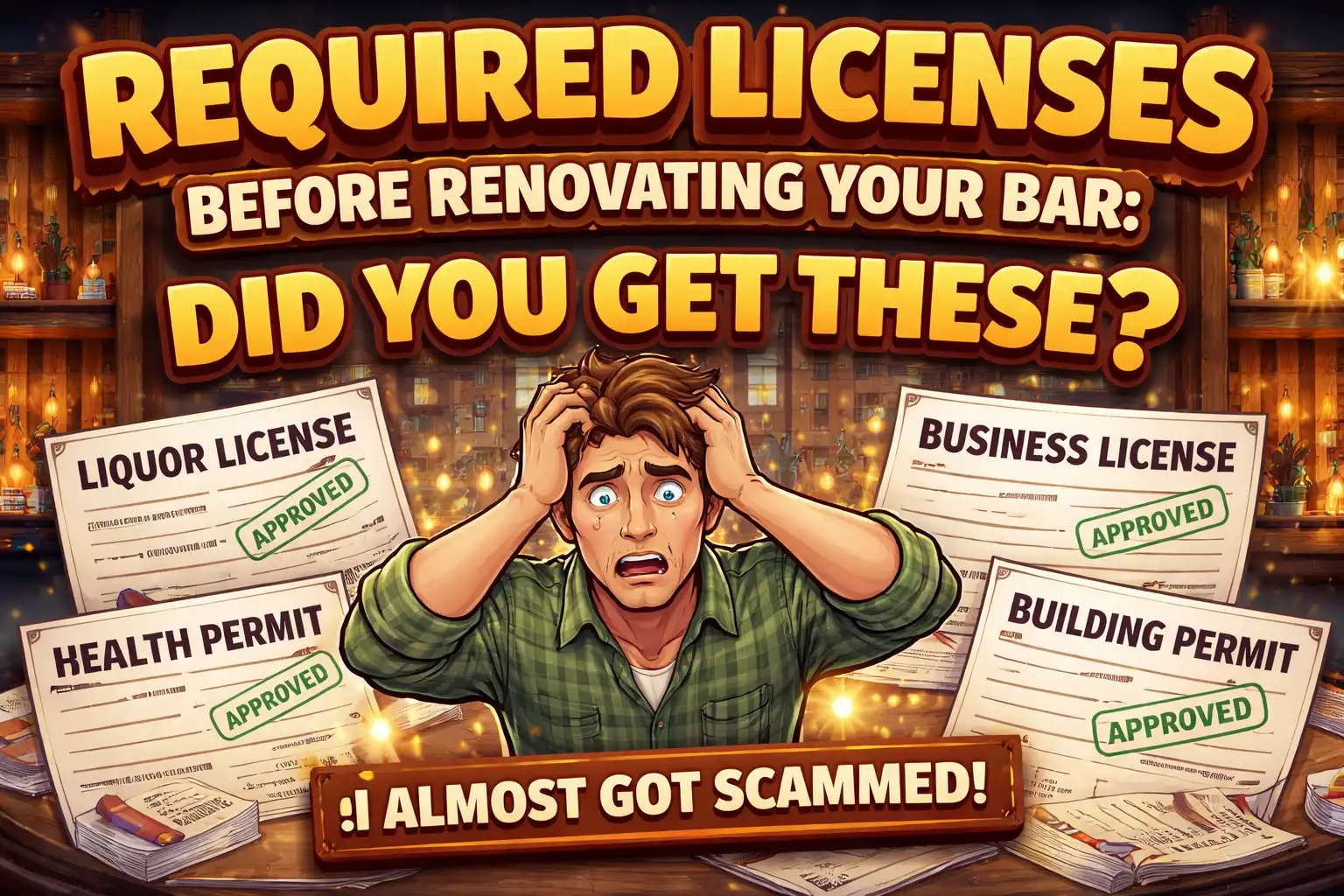
A few years ago I was excitedly signing a lease, drawing up lighting plans, and preparing for a big launch. Then the neighborhood office handed me a checklist with seven or eight required certificates—I had none of them, and the construction timeline was pushed back by two months. This article is my summary from being a “newbie” to getting hit by permit hurdles, helping you avoid those maddening pitfalls.
1. Site Selection & Licenses – If You Can’t Get This Right, Everything Else Is Futile
Before signing a lease, make sure you have a copy of the property title and confirm that the land use is commercial. I chose a spot with cheap rent and a decent location and signed a five‑year lease in high spirits. When I went to the market supervision bureau for a business license, I was told the space was a residential conversion and had no commercial property rights. I lost two months’ worth of deposit and my designs became useless.
Business registration looks simple, but there are prerequisite conditions. The storefront sign must be filed with the urban management department, and some areas also require an environmental pre‑approval—especially if your bar is near residential buildings. After obtaining the business license, tax registration and bank account opening can be done simultaneously; don’t wait until you’re about to open to realize you have no invoice capability.
The business license processing time is roughly 5–15 working days, provided all documents are complete. The first time I applied I was missing the premises usage certificate, which added three more days of paperwork. These are small issues, but they can add up to a month’s delay.
Tip: Before signing a lease, visit the neighborhood office and ask whether the address can obtain a business license. Don’t be like me—pay the deposit only to discover it’s a trap. If you’re still scouting locations, check out this Key Tips for Newcomers Choosing a Bar Location for more detail.
2. Fire Approval – The “Ultimate Boss” of Permits
Your renovation drawings must be submitted to the fire brigade or design review center. They’ll check egress corridor widths, sprinkler spacing, smoke detector locations, and fire‑resistant material grades. My drawings were rejected three times; the first rejection was because the egress corridor was half a meter too narrow.
Lighting wiring is a common oversight. You must use flame‑retardant conduit, avoid blocking sprinklers with light fixtures, and consider thickness and heat‑dissipation space for LCD screens and projectors—tight wall mounting can cause overheating, and fire inspectors will demand a redo. I hired the lighting integration team VYLEN to follow fire codes strictly; sprinkler locations and light‑fixture heights were pre‑planned, saving a lot of rework.
A pitfall many don’t know: LED strip drivers without 3C certification will be rejected on the spot during fire inspection. My friend’s cheap light strips had to be completely replaced, costing an extra week.
Electrical testing requires a CMA inspection report before you can apply for acceptance. Fire approval typically takes 20–30 days, with a one‑time pass rate of less than 60%—industry data from 2025. When the fire officer inspected my site, my legs were shaking; they scrutinize everything, even the emergency‑light battery model.
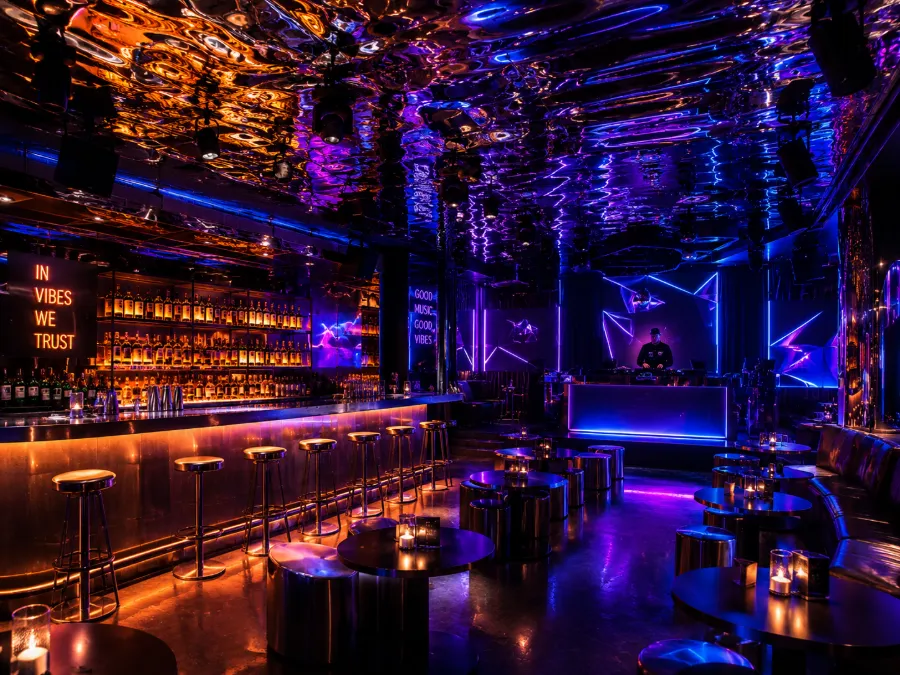
The video shows the finished lighting effect of a bar— the atmosphere is indeed great. But no matter how good the effect looks, if a sprinkler head is blocked, you still won’t pass fire inspection.
For lighting ideas, see this 20 Best Bar Lighting Ideas. Just remember to verify fire certification before purchasing. If you want to learn about common fire‑renovation pitfalls in old bars, read this article on Fire Renovation Lessons When Refurbishing an Old Bar, which includes a friend’s painful experience.
3. Alcohol License & Food Business Permit – Want to Make Money? Get These Two First
I thought a bar was just about drinking, but the licensing process is more complex than getting a driver’s license.
A liquor retail license requires a business license, premises proof, a clean‑record certificate, and a certified food‑safety manager. My fatal mistake was thinking I could open first and fill in the paperwork later. On the third day of operation, the liquor administration came for a surprise inspection, found I had no license, fined me ¥8,000, and shut me down for 15 days. The final payment to the contractor was delayed, and the construction crew kept demanding money.
The food business permit is another hurdle. Even if you serve simple snacks, peanuts, or small plates, you need this permit. You must submit layout plans, sanitation equipment certificates, and health certificates for all staff. I tried to serve beef jerky to guests and got a thorough lecture from the food‑drug administration.
There’s also a cultural operation permit. If your bar hosts live singers, DJs, or dance performances, you must apply to the cultural bureau. A detail often overlooked: many cities have merged the “cultural permit” into the “entertainment venue filing,” but if you have performance content (e.g., a DJ set), you still need a separate declaration. Lighting and sound equipment themselves don’t need a permit, but light pollution during performances can affect the cultural permit approval—neighbors complaining about noise may cause the cultural bureau to withdraw your filing.
The liquor license processing time is about 15 working days; the food business permit takes roughly 20 working days. Don’t be like me—start the paperwork 15 days before opening.
4. Environmental & Noise – Don’t Let Neighbors Call 110 Every Day
A noise emission permit is mandatory for bar operation. In a “Category 1” zone, daytime noise must not exceed 55 dB and nighttime 45 dB. If your bar is under a residential building, these limits are almost impossible to meet—unless you invest heavily in soundproofing.
Construction noise also matters. I was complained to twice by neighbors during renovation, and the urban management office restricted my work hours. Construction waste removal must be handled by an authorized transport company; otherwise a single fine can pay for a refrigerator.
Sound‑proofing design is often underestimated. Floor vibration pads, wall acoustic insulation, and double doors at the entrance can help contain noise. Another odd issue: cooling fans on lighting equipment can exceed noise limits. I had a guest complain about a “buzzing ceiling,” which turned out to be an LED light’s heat‑dissipation fan sounding harsh at night. VYLEN’s lighting system kept fan noise under control, sparing me one environmental‑impact review item.
Environmental testing of building materials is also crucial. Excess formaldehyde in paint or glue can cause the environmental impact assessment to fail, and guests will complain about air quality.
If you want more real‑world cases of lighting and noise handling, check out this Award‑Winning Bar Lighting Design Story About Noise and Heat Management.
FAQ
Q1: Can I start renovation before all permits are obtained?
You can begin work, but the fire‑approval drawings must be approved first. If you change fire layouts during construction (e.g., remove a wall or alter egress routes), the final inspection will become a nightmare. It’s best to wait until the initial fire review passes before starting construction.
Q2: What are the three most common reasons fire approval gets stuck?
Insufficient egress corridor width, sprinkler heads blocked by light fixtures, and using renovation materials without fire‑resistance certification. These three reasons account for over 70% of rejected cases.
Q3: What happens if I sell alcohol without a liquor license?
Fines typically range from ¥5,000 to ¥20,000, with a 15–30‑day shutdown. Severe cases may place you on a “business abnormality” list, affecting future loans and bidding opportunities. Not worth the risk.
Q4: What documents are needed for a cultural operation permit?
Copy of the business license, premises usage proof, performance content filing form, performer identification, and fire‑safety inspection certificate. If you only play background music, most cities don’t require a separate application; however, any live DJ or resident singer mandates the permit.
Q5: Which comes first, the renovation permit or the business license?
Obtain the business license first. Only after you have the business license can you apply for fire approval and the renovation permit. Once construction is finished, you can apply for the liquor and food business permits. Getting the order wrong wastes a lot of time.
Share Article